Inflammatory Bacteria in Nose Linked to Parkinson’s Risk
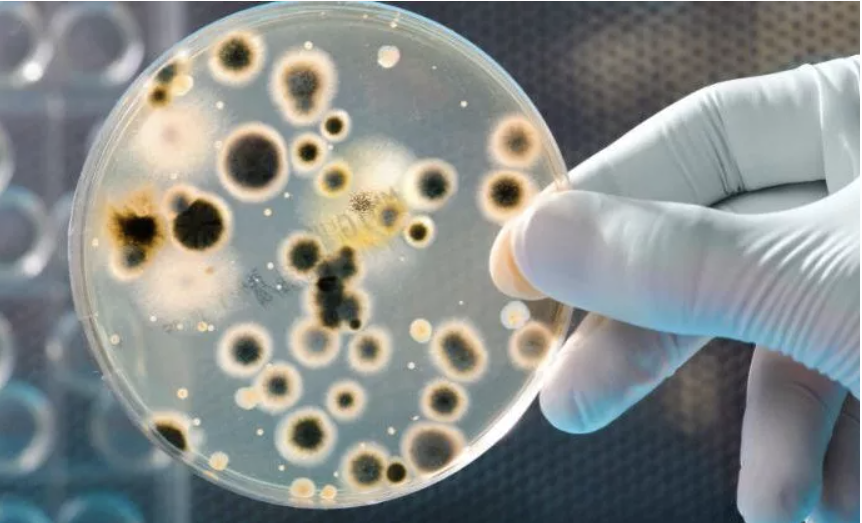
People with Parkinson’s tend to have high numbers of pro-inflammatory bacteria in their noses, according to a new study.
Researchers think these bacteria may be a trigger for inflammation in the brain, which could help to set the stage for the development of Parkinson’s.
The study – Deep nasal sinus cavity microbiota dysbiosis in Parkinson’s disease – was published in npj Parkinson’s Disease.
Our bodies are home to billions of bacteria and other microorganisms, collectively referred to as the microbiome. These tiny creatures play important roles in health and disease that are only beginning to be understood.
An emerging body of research has suggested the microbiome is dysregulated in Parkinson’s. Prior studies have found abnormalities in patients’ gut and mouth bacteria, for example.
Prior studies looking at bacteria toward the outside of the nose have failed to find noteworthy Parkinson’s-specific differences. However, a team at Rush University in Chicago analysed bacteria in the deep nasal sinus cavity of 30 people with Parkinson’s. The team noted that the deep nasal sinus cavity – far up in the nose – is close to the olfactory bulb, a brain structure involved in the sense of smell.